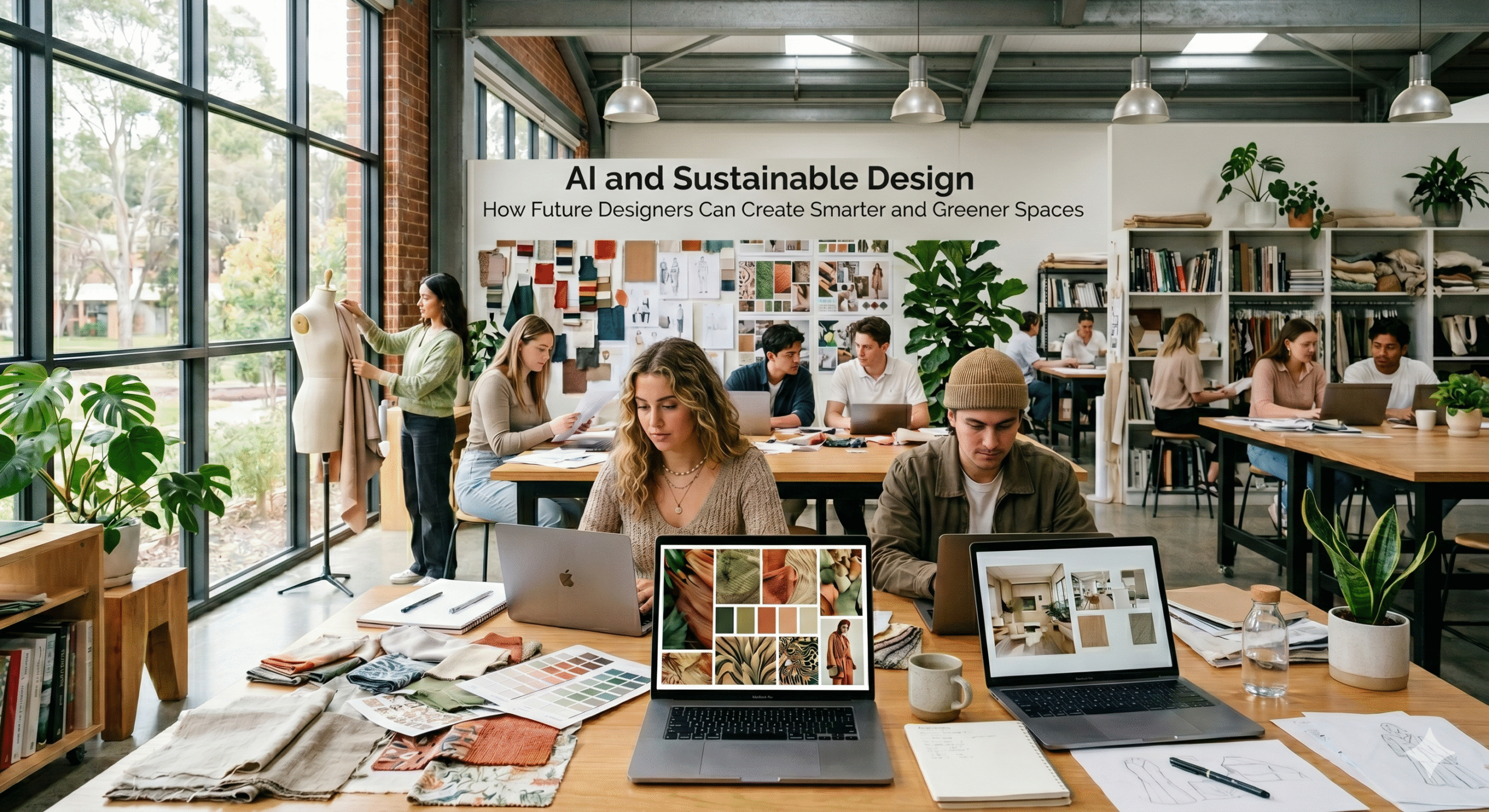
AI and Sustainable Design: How Future Designers Can Create Smarter and Greener Spaces
Design is no longer only about beauty. Today, it is also about responsibility, technology, comfort, and smart choices. From fashion studios to interior design spaces, young designers are learning how to create work that looks stylish and also supports a better future.
In 2026, two major ideas are shaping the design world: Artificial Intelligence and Sustainability. AI is helping designers plan faster, visualize better, and understand trends. Sustainability is encouraging them to use eco-friendly materials, reduce waste, and design with long-term impact in mind.
For students who want to build a career in fashion design, interior design, or visual design, understanding these two trends has become very important.
AI is Making the Design Process Faster and Smarter

Artificial Intelligence is becoming a helpful tool for modern designers. It can support the creative process by giving quick ideas, layout options, trend suggestions, and visual references.
For fashion designers, AI can help with:
- Trend forecasting
- Fabric and color inspiration
- Digital fashion sketches
- Customer preference analysis
- Virtual styling ideas
For interior designers, AI can help with:
- Space planning
- Mood board creation
- Furniture placement ideas
- Lighting suggestions
- 3D room visualization
However, AI cannot replace human creativity. A good designer still needs imagination, storytelling, cultural understanding, and emotional connection. AI can give options, but the final creative direction always comes from the designer.
Sustainability is Becoming the New Design Standard
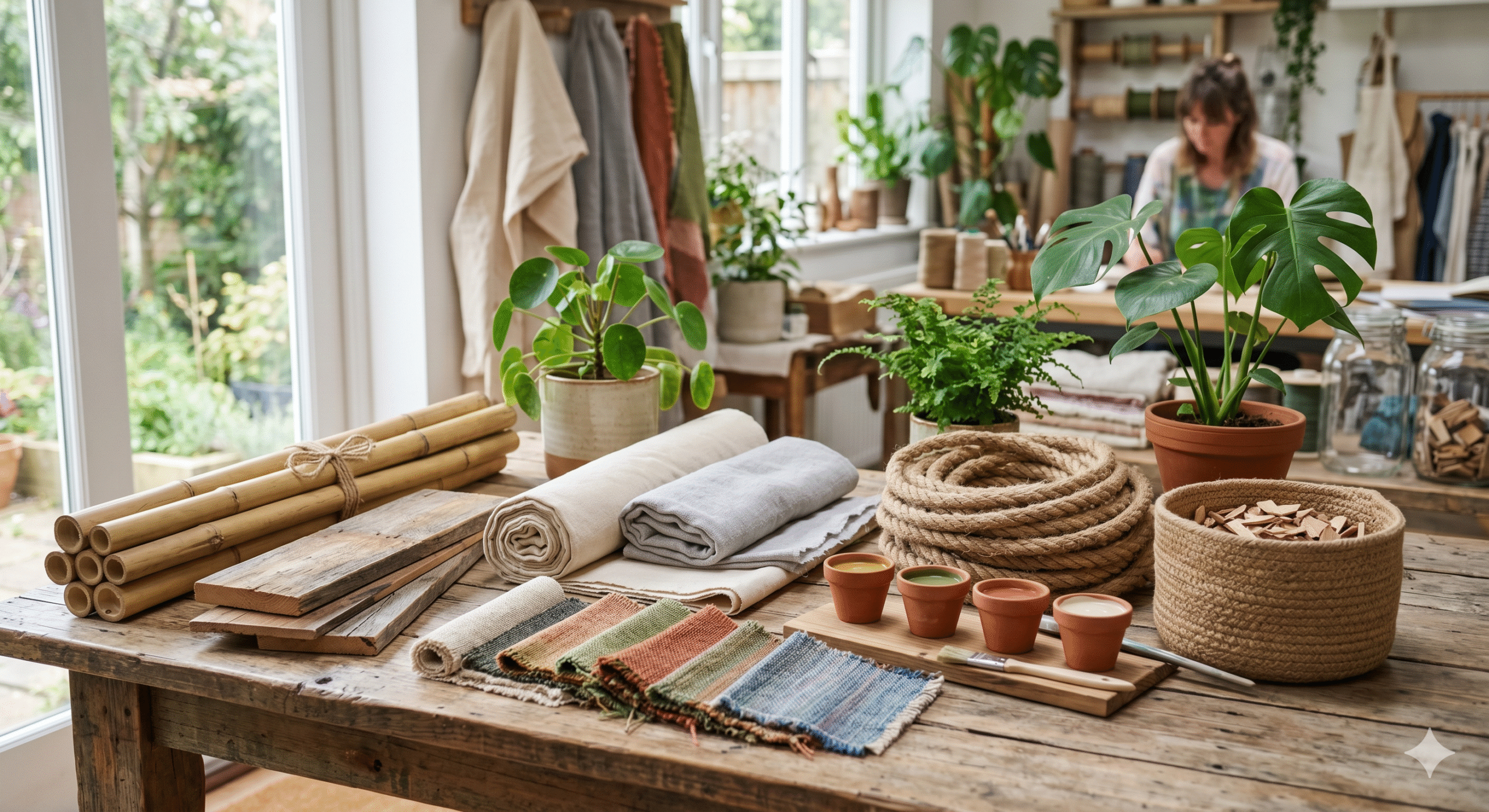
Sustainable design is no longer just a trend. It is becoming a necessity. People are now more aware of climate change, waste, pollution, and ethical production. Because of this, designers are expected to make better choices.
In fashion design, sustainability includes:
- Organic and recycled fabrics
- Slow fashion
- Upcycling old garments
- Ethical production
- Less fabric waste
In interior design, sustainability includes:
- Reclaimed wood
- Natural lighting
- Indoor plants
- Energy-efficient lighting
- Non-toxic paints and finishes
A sustainable designer does not only think about how a product or space looks. They also think about how it is made, how long it will last, and how it affects people and the environment.
Biophilic Design is Changing Modern Interiors
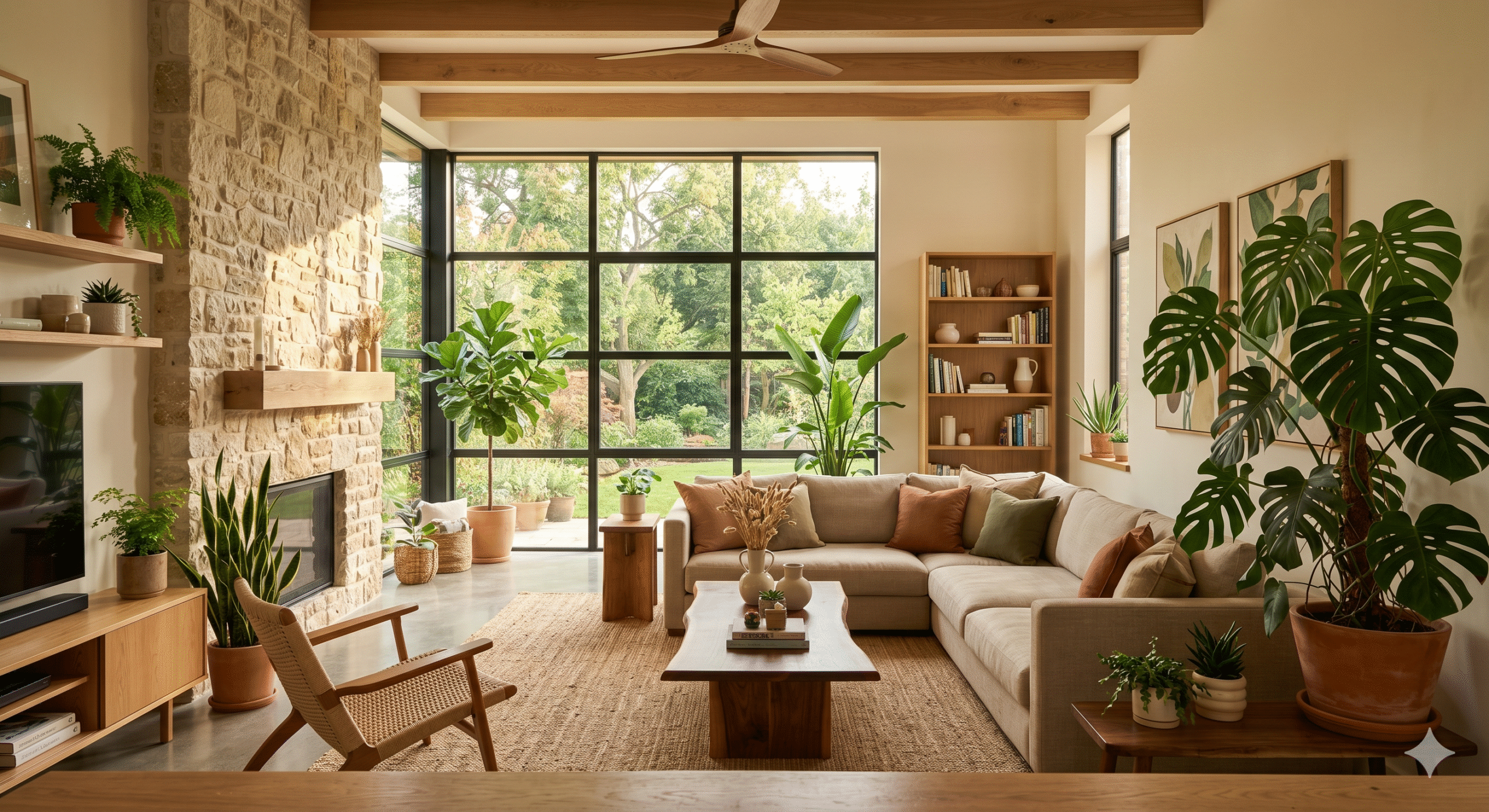
Biophilic design means bringing nature into indoor spaces. It is one of the most popular interior design trends because people want homes and workplaces that feel peaceful, healthy, and connected to nature.
Some common biophilic design ideas are:
- Large windows for natural light
- Indoor plants and green walls
- Wooden furniture and natural textures
- Earthy colors like beige, olive, terracotta, and brown
- Open and airy layouts
- Natural materials such as stone, cane, bamboo, and clay
For interior design students, biophilic design is an important concept to learn because it combines beauty, wellness, and sustainability.
Digital Fashion and Smart Textiles Are Opening New Career Paths
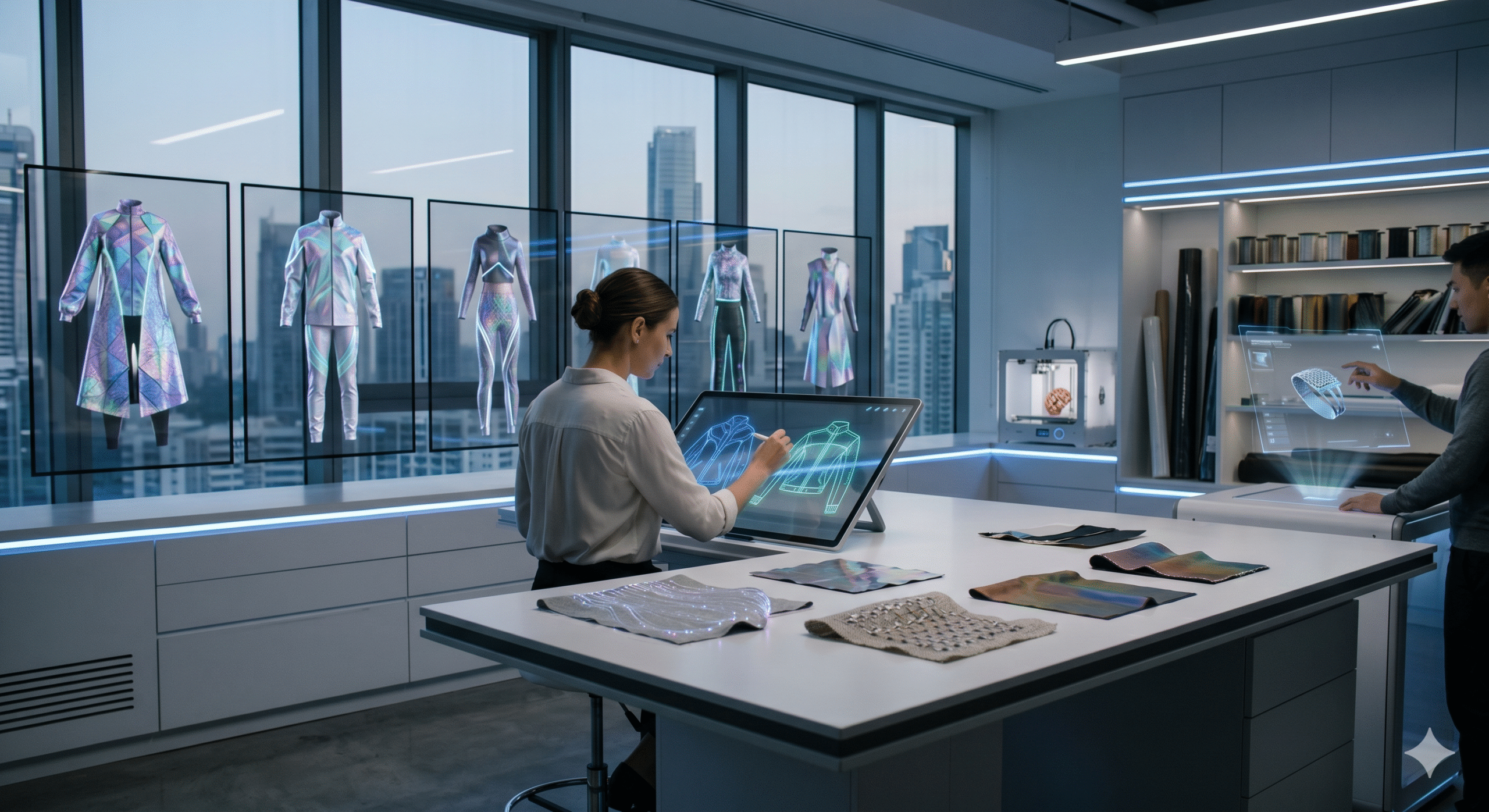
Fashion is also becoming more digital. Designers are now exploring virtual clothing, 3D fashion, AI-generated patterns, and smart textiles. This creates new opportunities for students who want to combine creativity with technology.
Some exciting areas in fashion include:
- Digital fashion design
- 3D garment visualization
- Smart textiles
- Sustainable activewear
- Virtual styling
- Fashion technology
- AI-assisted trend research
Smart textiles can respond to temperature, movement, or light. Digital fashion can be used in gaming, social media, virtual events, and online styling. These fields are creating new career options beyond traditional fashion design.
Future Designers Need Both Creativity and Technical Skills
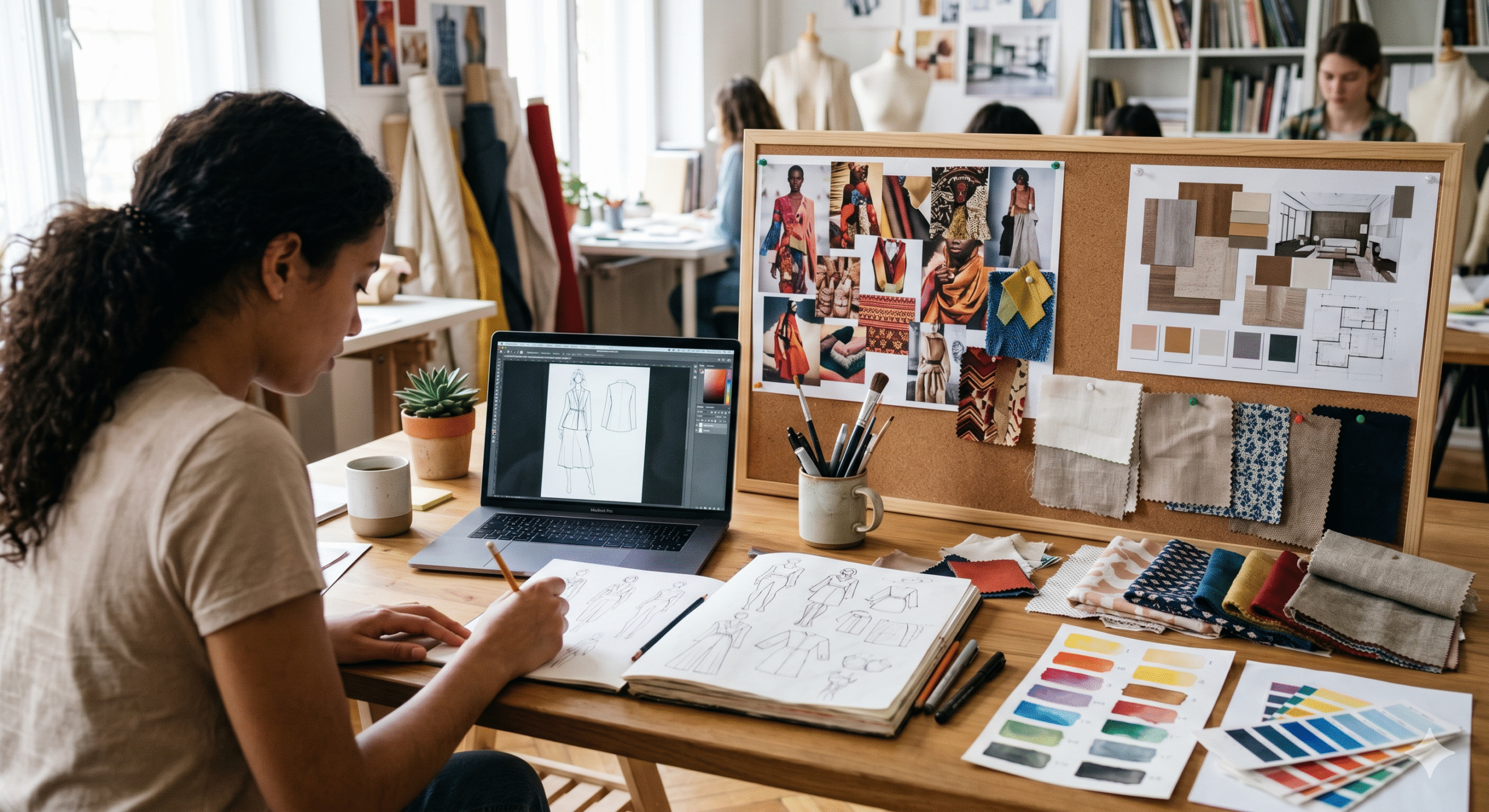
The future belongs to designers who can balance creativity with modern skills. Only sketching or only using software is not enough. Students need to understand design thinking, materials, trends, technology, and presentation.
Important skills for future designers include:
- Drawing and visualization
- Color theory
- Material knowledge
- Digital design tools
- AI tool awareness
- Sustainable design thinking
- Portfolio development
- Communication and presentation skills
A strong designer is not someone who simply follows trends. A strong designer understands people, solves problems, and creates meaningful designs.
Conclusion
AI and sustainable design are shaping the future of the creative industry. Whether it is fashion design, interior design, or digital design, students must learn how to use technology wisely and design responsibly.
AI can make the process faster, but human creativity gives design its soul. Sustainability can make design more meaningful, practical, and future-ready. Together, these two ideas are creating a new direction for young designers.
For aspiring students, this is the right time to learn, experiment, and build skills that match the future of the design industry.