What Is Fashion Communication? How Social Media & Creators Are Changing Fashion in 2026
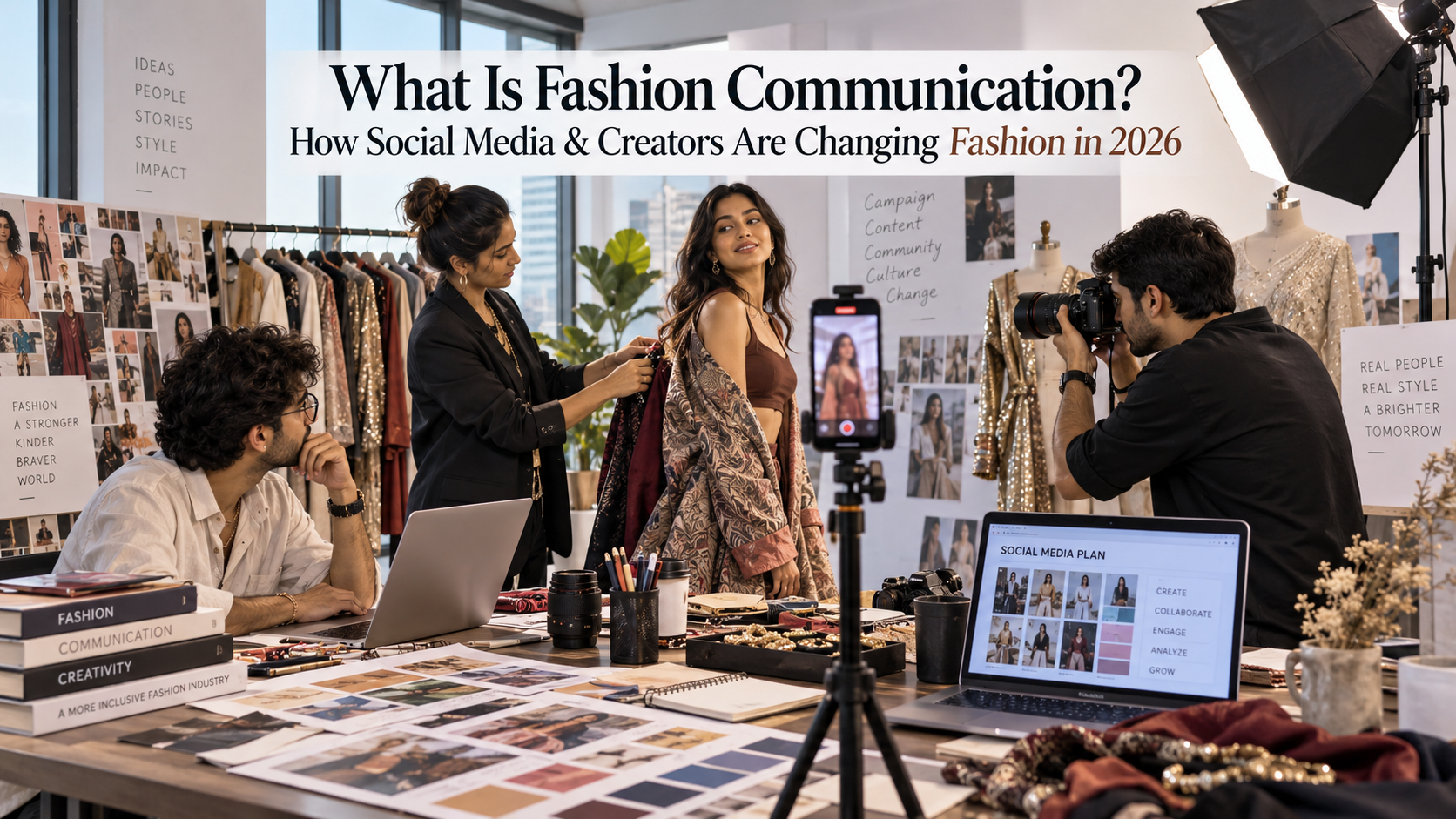 Fashion is no longer communicated only through magazines, runway shows and traditional advertising campaigns.
In 2026, a fashion brand may be discovered through an Instagram Reel, a creator’s styling video, a behind-the-scenes clip, a product launch livestream or a short visual story shared across social media.
This shift has made fashion communication one of the most dynamic areas of the fashion industry.
Fashion communication combines branding, styling, photography, video, graphic design, social media, content strategy, visual merchandising and storytelling to shape how fashion is presented to an audience.
For students who are interested in fashion but may not want to focus only on garment construction, fashion communication can open several creative career opportunities.
What Is Fashion Communication?
Fashion communication is the process of presenting fashion ideas, products, collections and brand identities to an audience.
It determines how people see, understand and connect with a fashion brand.
Fashion communication can include:
- Brand identity
- Fashion photography
- Styling
- Social media content
- Graphic design
- Campaign concepts
- Fashion films
- Visual merchandising
- Influencer marketing
- Public relations
- Editorial content
- Fashion events
A fashion communicator helps translate a brand’s personality into visual and verbal content.
For example, two brands may sell similar products but communicate them very differently.
One may use clean minimalist photography and neutral colours, while another may use bold styling, expressive typography and energetic video content.
The product may be similar, but communication creates a very different brand experience.
Why Fashion Communication Is Changing So Quickly
Fashion communication has changed rapidly because audiences now consume content across multiple platforms.
People no longer depend only on magazines, television advertisements or fashion shows to discover new trends.
They may find fashion inspiration through:
- YouTube
- Short-form videos
- Creator content
- Online stores
- Fashion communities
- Digital campaigns
- Brand websites
This means brands need to communicate continuously rather than only during major campaigns.
Content also needs to work across different screen sizes and formats.
A campaign image designed for a website may need to be adapted into a vertical video, social media post, story, product page and digital advertisement.
As a result, fashion communicators need to understand both creative design and digital platforms.
How Social Media and Creators Are Changing Fashion in 2026
1. Short-Form Video Is Becoming a Core Fashion Format
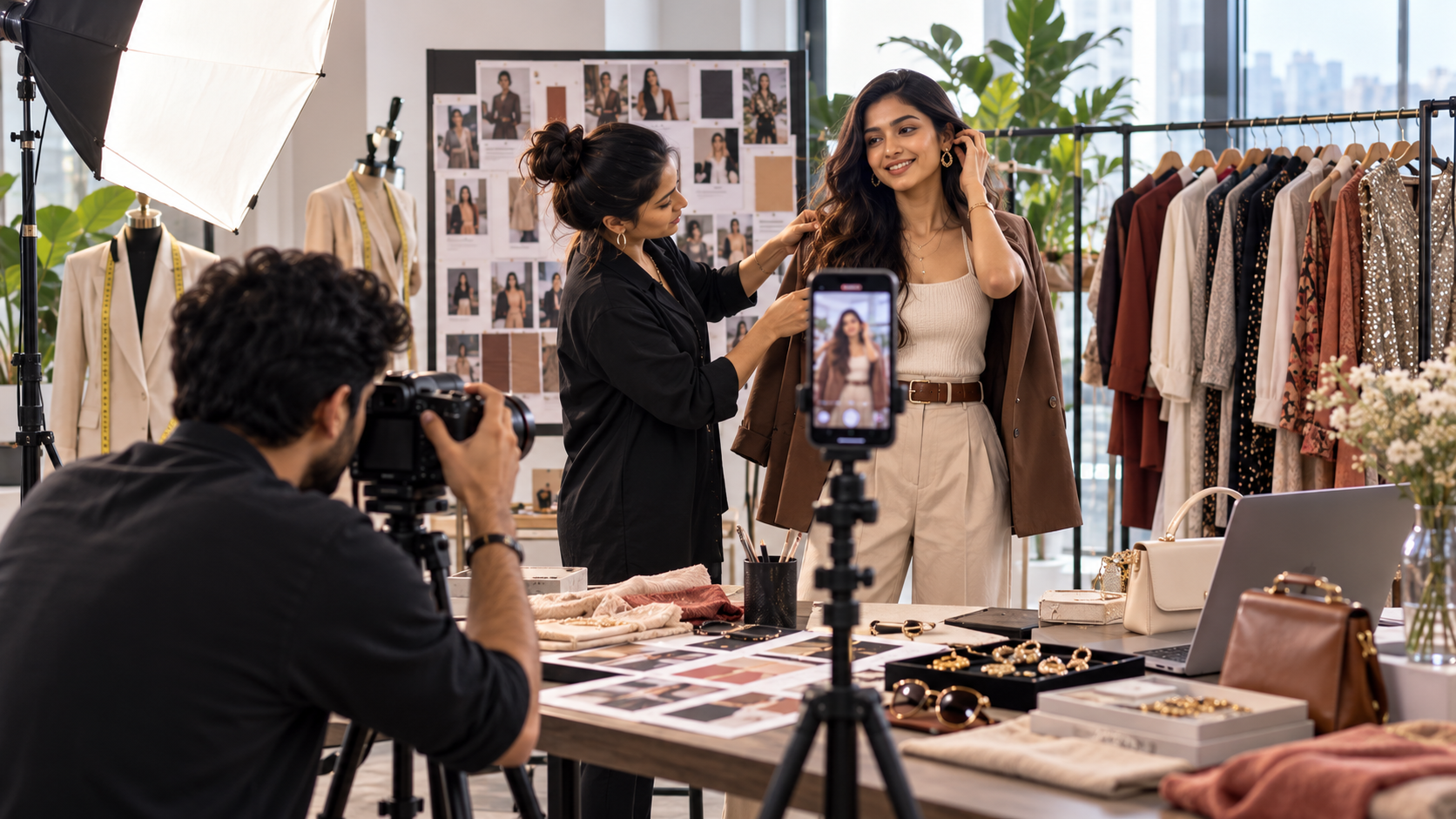 Photography continues to be important in fashion, but short-form video has become equally important.
Brands are increasingly creating:
- Styling videos
- Outfit transitions
- Behind-the-scenes content
- Product demonstrations
- Collection previews
- Fashion tips
- Creator collaborations
- Campaign teasers
Short videos allow brands to communicate movement, personality and styling in ways that static images cannot always achieve.
For fashion communicators, this means understanding more than composition and photography.
They also need to think about:
- Framing
- Pacing
- Storytelling
- Music
- Captions
- Editing
- Visual consistency
A strong fashion campaign in 2026 often needs to work as both a still image and a moving visual experience.
2. Creators Are Becoming Creative Partners
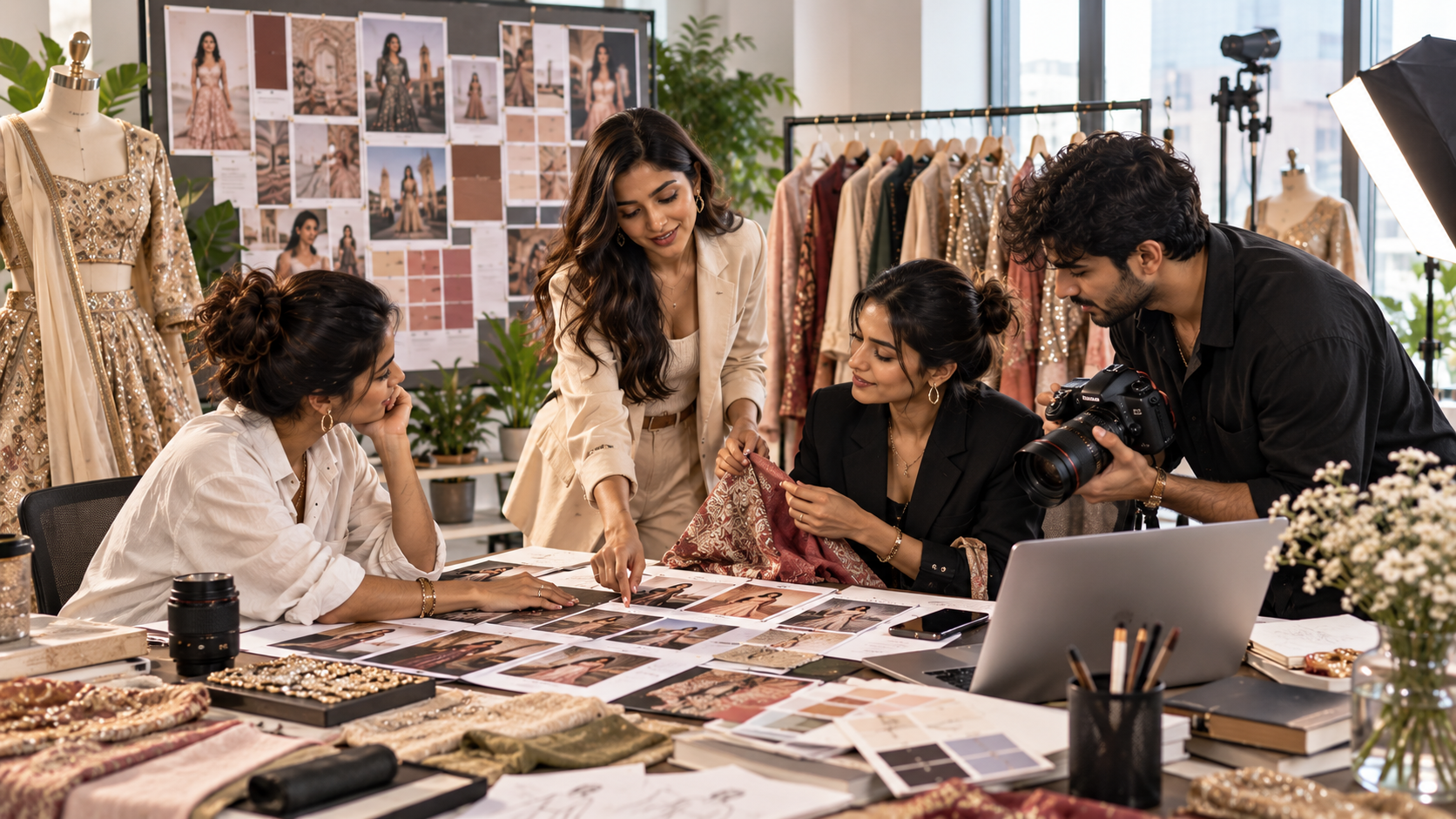 Influencers and creators were once mainly used to promote products after a campaign had already been created.
Today, many brands are involving creators earlier in the process.
Creators may contribute to:
- Campaign concepts
- Styling
- Product storytelling
- Launch content
- Limited-edition collaborations
- Community engagement
This is changing the relationship between fashion brands and digital creators.
Brands are not only buying reach. They are also working with people who understand specific audiences and communities.
Smaller creators can also be valuable because they may have strong influence within a particular city, style, language or interest group.
For fashion communicators, choosing the right creator is therefore about more than follower count.
The creator’s personality, audience and visual style should match the brand.
3. Content and Commerce Are Moving Closer Together
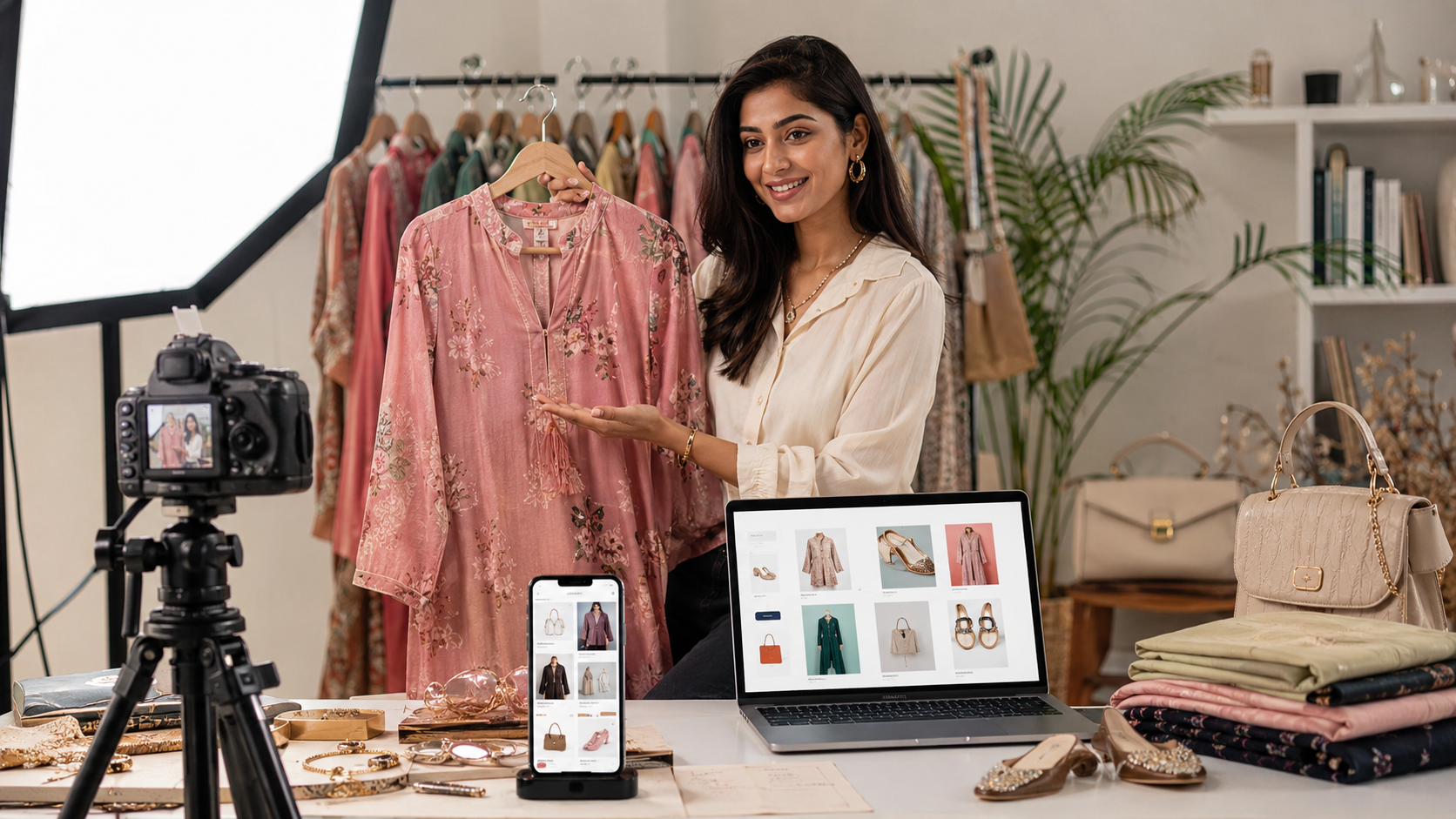 The distance between seeing a fashion product and buying it is becoming smaller.
Social platforms increasingly allow users to discover products, view styling content and move toward purchase within the same digital journey.
This means fashion communication is becoming more closely connected with commerce.
Creative teams may need to think about:
- Product visibility
- Styling clarity
- Pricing context
- Product links
- Campaign timing
- Customer questions
- Conversion-focused content
A beautiful fashion image still needs to inspire people.
However, communication may also need to make the product easy to understand and explore.
This creates a balance between creativity and commercial thinking.
4. Regional and Culturally Relevant Content Matters More
India does not have one single fashion audience.
Preferences can vary by:
- Region
- Language
- Climate
- Lifestyle
- Culture
- Festivals
- Age
- Price range
Digital platforms make it easier for brands to communicate with specific audiences.
For example, a fashion campaign may use different creators or styling approaches for different regions while still maintaining the same overall brand identity.
This creates opportunities for fashion communicators who understand local culture and can create content that feels authentic rather than generic.
Regional storytelling can be especially important for Indian fashion brands working with textiles, crafts, traditional clothing and local design influences.
5. Community Content Is Becoming Part of Brand Identity
Fashion communication is becoming more interactive.
Customers are no longer only viewing brand content. They are also creating their own.
This can include:
- Styling posts
- Product reviews
- Outfit videos
- Unboxing content
- Comments
- Customer photographs
This user-generated content can influence how other people see a brand.
For fashion communicators, community management is therefore becoming part of the overall communication strategy.
Brands need to decide:
- How to respond to customers
- Which customer content to feature
- How to encourage participation
- How to maintain brand consistency
A strong fashion brand is increasingly shaped by both the company and the community around it.
6. AI Is Speeding Up Creative Workflows
Artificial intelligence is also becoming part of fashion communication workflows.
Creative teams may use AI-assisted tools for:
- Research
- Mood-board exploration
- Content ideas
- Copy variations
- Visual experimentation
- Editing support
- Campaign planning
- Image organisation
AI can help teams work faster, especially during early concept development.
However, AI does not replace creative judgement.
A fashion communicator still needs to decide whether content:
- Fits the brand
- Looks authentic
- Is culturally appropriate
- Communicates the product correctly
- Connects with the target audience
The strongest use of AI is likely to be as a supporting tool rather than a substitute for creative direction.
Fashion Communication Is More Than Social Media
Social media is a major part of modern fashion communication, but the discipline is much broader.
Fashion brands need consistency across several touchpoints.
These may include:
- Website
- Packaging
- Retail stores
- Social media
- Advertising
- Catalogues
- Events
- Fashion shows
- Email campaigns
- Product photography
All these elements should communicate a consistent brand identity.
For example, the typography used on a website should feel connected to campaign graphics.
Photography used on social media should reflect the same visual personality seen in the store or packaging.
This is why fashion communication requires strong knowledge of branding and visual systems.
The Role of Fashion Styling in Communication
Styling plays a major role in how fashion is understood.
The same garment can communicate different ideas depending on:
- Accessories
- Hair
- Makeup
- Location
- Pose
- Lighting
- Other garments
A simple white shirt, for example, can look formal, casual, experimental or luxury depending on how it is styled.
Fashion communicators often work closely with stylists to make sure the visual story supports the brand.
Students interested in fashion communication should therefore learn to analyse styling rather than focusing only on individual garments.
Fashion Photography and Visual Storytelling
Fashion photography is one of the strongest tools used in communication.
A good fashion image does more than show a product.
It can communicate:
- Mood
- Lifestyle
- Brand personality
- Target audience
- Cultural context
Different brands may use very different photography styles.
A luxury brand may use controlled studio lighting and minimal sets.
A youth fashion brand may use street photography and energetic poses.
A sustainable fashion brand may use natural settings and documentary-style imagery.
Fashion communicators need to understand why a particular photography style fits a particular brand.
Visual Merchandising as Fashion Communication
Fashion communication also takes place inside physical stores.
Visual merchandising influences how customers experience products in retail spaces.
This can include:
- Window displays
- Product placement
- Lighting
- Colour
- Mannequin styling
- Signage
- Store graphics
A customer may form an opinion about a brand before touching any product.
This makes retail presentation an important part of brand communication.
Even as online shopping grows, physical stores continue to provide valuable opportunities for creating immersive brand experiences.
Skills Fashion Communicators Need in 2026
 Fashion communication requires a combination of creative and strategic skills.
Useful skills include:
- Fashion styling
- Photography
- Graphic design
- Typography
- Video editing
- Social media planning
- Branding
- Copywriting
- Visual storytelling
- Trend research
- Content creation
- Presentation skills
Students should also develop communication and teamwork abilities.
Fashion campaigns often involve collaboration between:
- Designers
- Photographers
- Stylists
- Models
- Makeup artists
- Graphic designers
- Videographers
- Marketing teams
Understanding how different creative roles work together is extremely valuable.
Career Paths in Fashion Communication
Fashion communication can lead to several career paths.
These may include:
Fashion Stylist
Creates visual looks for campaigns, shoots, celebrities, magazines and events.
Fashion Photographer
Produces editorial, commercial and campaign photography.
Social Media Manager
Plans and manages a fashion brand’s social content and community.
Content Creator
Creates videos, photographs and other visual content for fashion brands.
Fashion Graphic Designer
Designs campaign graphics, digital content, lookbooks and promotional material.
Visual Merchandiser
Creates product displays and store experiences.
Fashion PR Professional
Manages media communication, events, brand relationships and publicity.
Creative Director
Develops the overall visual direction and creative identity of campaigns or brands.
Fashion Editor
Plans and develops fashion-related editorial content.
Influencer Marketing Professional
Manages collaborations between brands and creators.
Fashion communication is therefore suitable for students with interests across design, media, marketing and storytelling.
How Students Can Build a Strong Fashion Communication Portfolio
A portfolio should demonstrate more than software skills.
It should show that the student understands fashion, branding and visual storytelling.
Useful portfolio projects may include:
- Fashion campaign concepts
- Editorial shoots
- Social media campaigns
- Styling projects
- Brand identity concepts
- Fashion films
- Lookbooks
- Visual merchandising concepts
- Creator campaign strategies
- Digital content calendars
Students should also explain the thinking behind each project.
For example:
- Who is the target audience?
- What is the brand personality?
- Why was a particular styling direction selected?
- Why were certain colours or fonts used?
- How would the campaign work across platforms?
This shows strategic thinking along with creativity.
What Brands Should Focus on in Creator-Led Fashion Communication
Working with creators does not mean giving the same campaign brief to everyone.
Brands should think carefully about:
- Audience relevance
- Creator credibility
- Visual style
- Content format
- Brand values
- Platform
- Cultural context
Creators should have enough freedom to communicate in their own voice.
If every collaboration looks exactly like a traditional advertisement, audiences may lose interest.
At the same time, the brand identity should remain recognisable.
Successful creator-led communication usually balances creator authenticity with brand consistency.
The Future of Fashion Communication in India
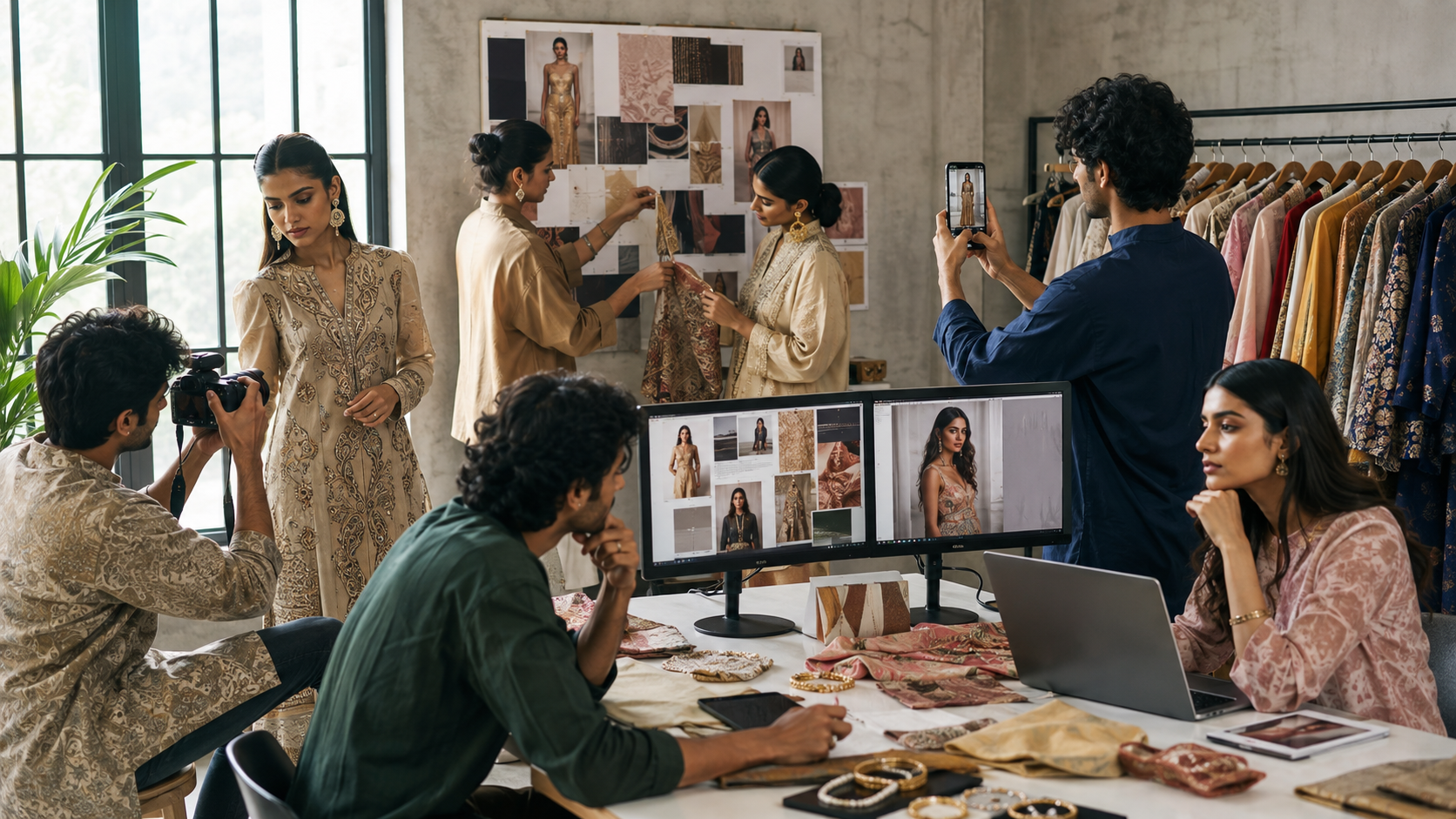 India has a large and diverse fashion market.
At the same time, digital platforms have made it easier for independent designers, emerging labels and creators to build audiences without relying entirely on traditional media.
This creates new opportunities in areas such as:
- Regional fashion content
- Creator-led brands
- D2C fashion
- Sustainable fashion communication
- Fashion films
- Social commerce
- Digital styling
- Fashion photography
- Visual branding
Students entering the field will need to understand both traditional fashion communication and new digital formats.
The tools will continue to change, but strong visual storytelling and brand understanding will remain important.
Conclusion
Fashion communication in 2026 is becoming more digital, interactive and creator-led.
Social media, short-form video, creators, online communities, commerce and AI are changing how fashion brands communicate with their audiences.
However, the purpose of fashion communication remains the same: to create a clear and meaningful connection between fashion, brand and audience.
For students interested in creative careers, fashion communication provides opportunities across styling, photography, branding, social media, content creation and visual storytelling.
The most successful fashion communicators will not simply follow every new platform or trend. They will understand how to use the right combination of creativity, strategy and technology to tell a strong fashion story.