The Growth of India’s Fashion Design Industry
Fashion in India has changed a lot in the last few decades. Earlier, most people bought fabric from local markets and got their clothes stitched by a tailor. Designer labels were rare. Trends moved slowly. Choices were limited.
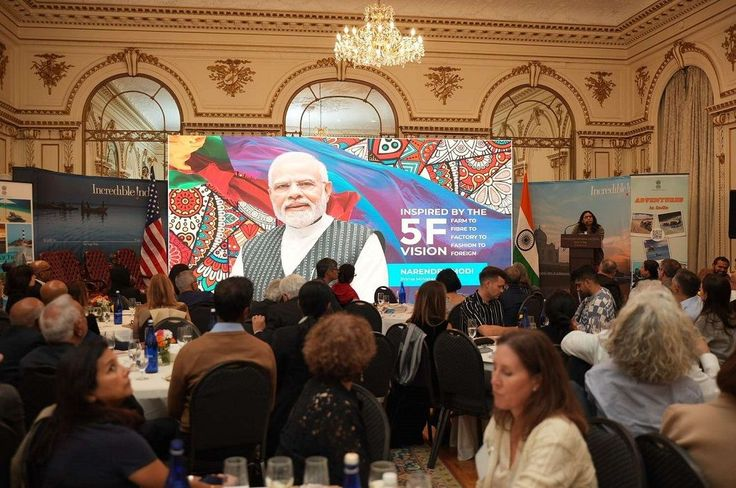
Today, the situation is very different. India has fashion weeks, luxury brands, online labels, and global collaborations. Young designers launch their own brands straight after graduation. Some even start from Instagram pages at home.
This growth did not happen suddenly. It developed step by step.
Strong Roots in Tradition
India has always been rich in textiles. Every region has its own fabric and craft style. Banarasi silk, Bandhani prints, Kanjeevaram sarees, and Chikankari embroidery are just a few examples.
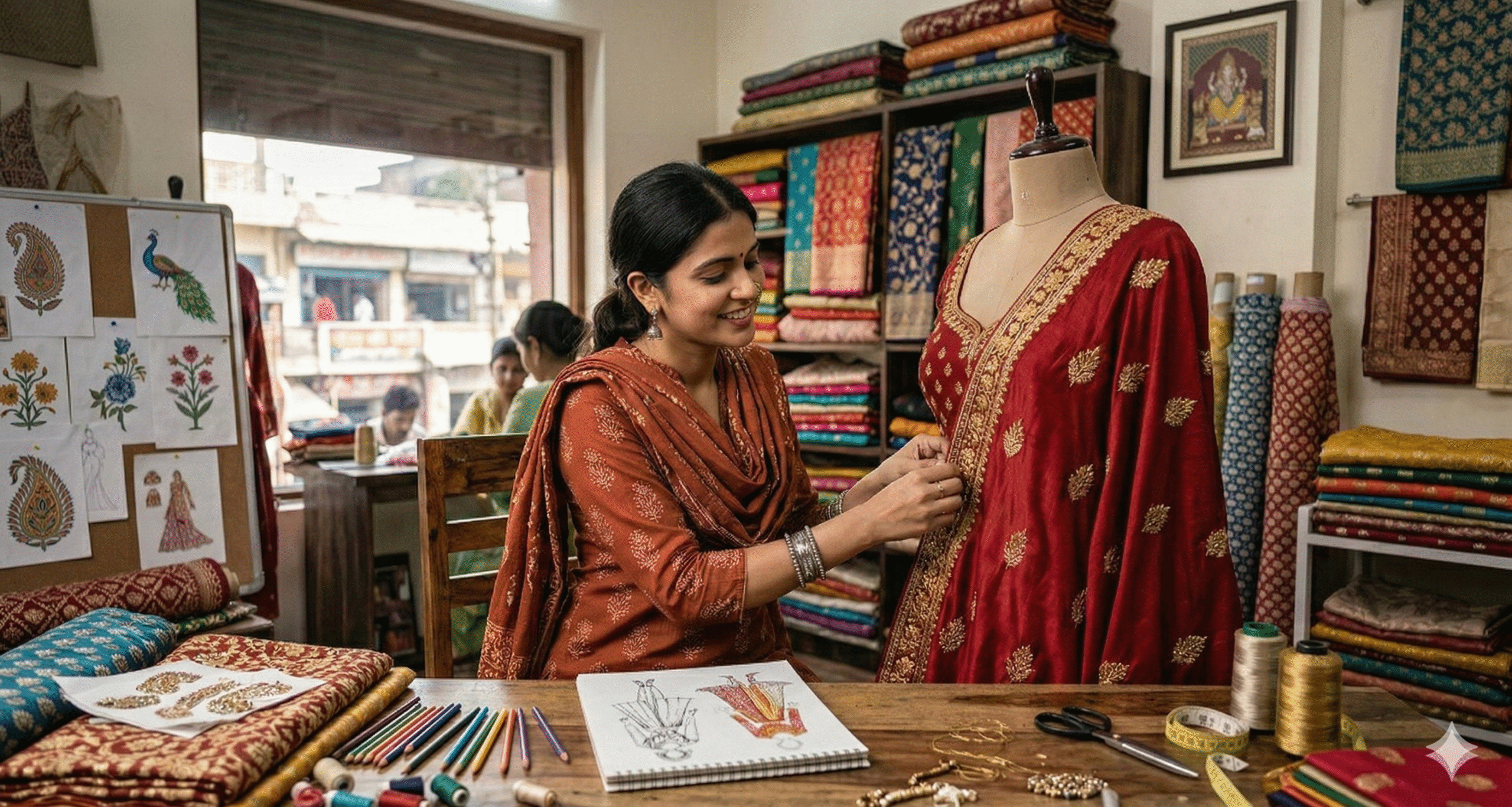
For many years, these crafts were part of tradition, not a formal fashion system. Families passed down skills from one generation to another. Clothing was cultural and practical.
Over time, designers began to work with artisans. They started using traditional fabrics in modern outfits. A handwoven textile could now become a contemporary dress or jacket. This changed how people saw Indian fashion.
Economic Changes Opened Doors
In the 1990s, India’s economy opened to global markets. International brands entered the country. Shopping malls became common in big cities. Fashion magazines and global advertisements influenced buyers.
People started noticing trends. They wanted more variety. They became curious about cuts, styling, and brand names.
Designers saw new opportunities. They began building labels that could compete with international brands. Some even started exporting their collections.
Rise of Fashion Education
Another big reason for growth is fashion education. Here is LSOD we train students in sketching, garment construction, textiles, and branding. Young designers learned how to build collections with a clear concept.
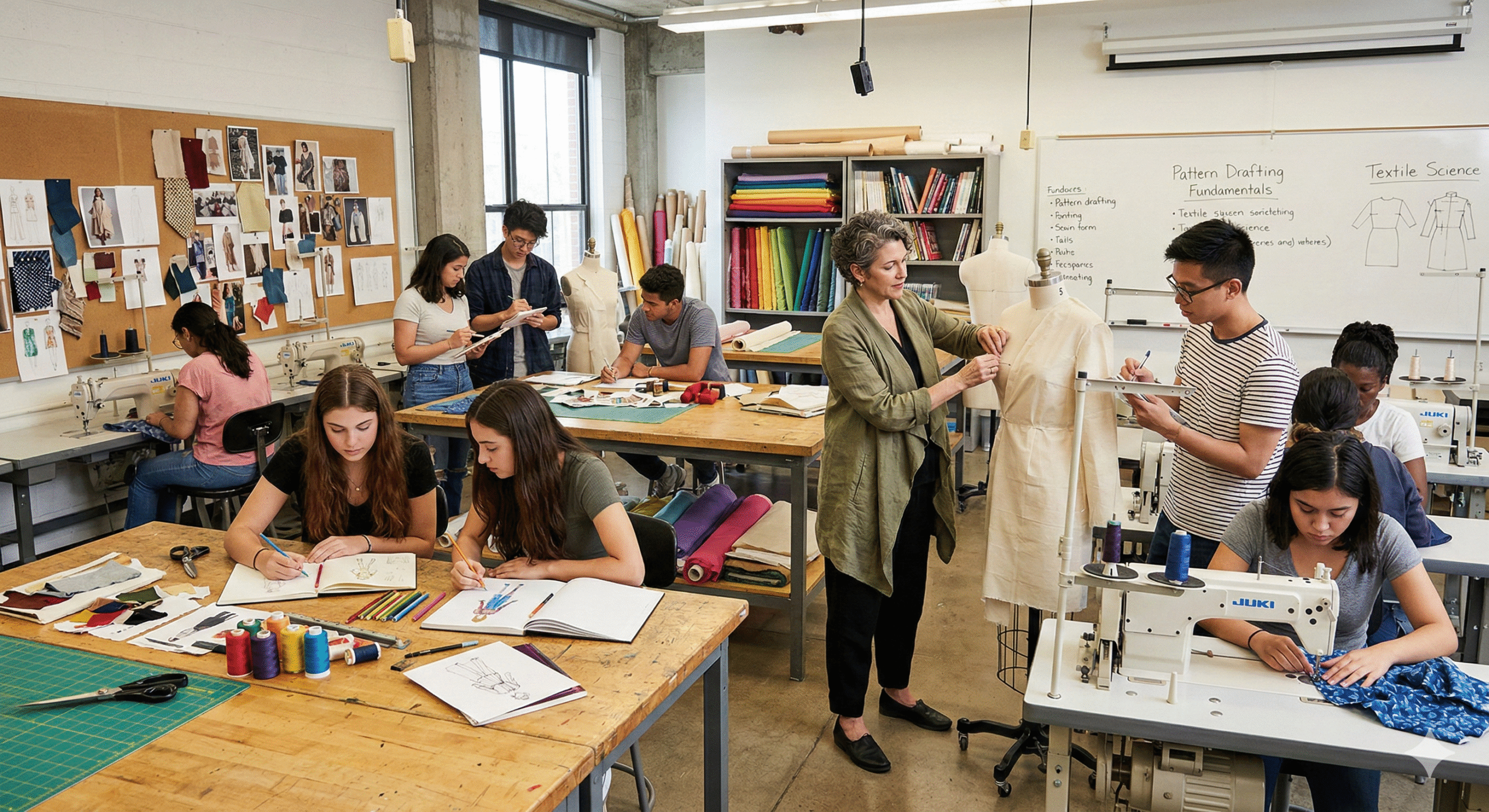
Earlier, fashion skills were mostly learned through experience. Now, students graduate with portfolios and internships. They understand both creativity and business.
This has made the industry more professional. Brands now plan seasons, manage budgets, and invest in marketing.
Retail and Online Growth
Retail expansion helped the industry grow. Designer stores opened in malls and high streets. Multi-brand boutiques showcased different labels under one roof.
Then came online shopping. E-commerce changed everything. Small brands could now sell across India without opening physical stores.
Social media made promotion easier. Designers share new launches, styling ideas, and behind-the-scenes content. Customers interact directly with brands.
This digital shift has created more competition, but also more chances to succeed.
Changing Customers
Indian consumers have changed too. Many travel abroad. They follow global influencers and fashion pages online. They compare quality and prices before buying.
At the same time, there is growing pride in Indian textiles. Many buyers want outfits that feel modern but still reflect culture.
This balance between tradition and trend has shaped today’s fashion market.
Technology Behind the Scenes
Technology plays an important role in modern fashion. Designers use software to create digital sketches. Factories use advanced machines for accurate stitching and cutting.
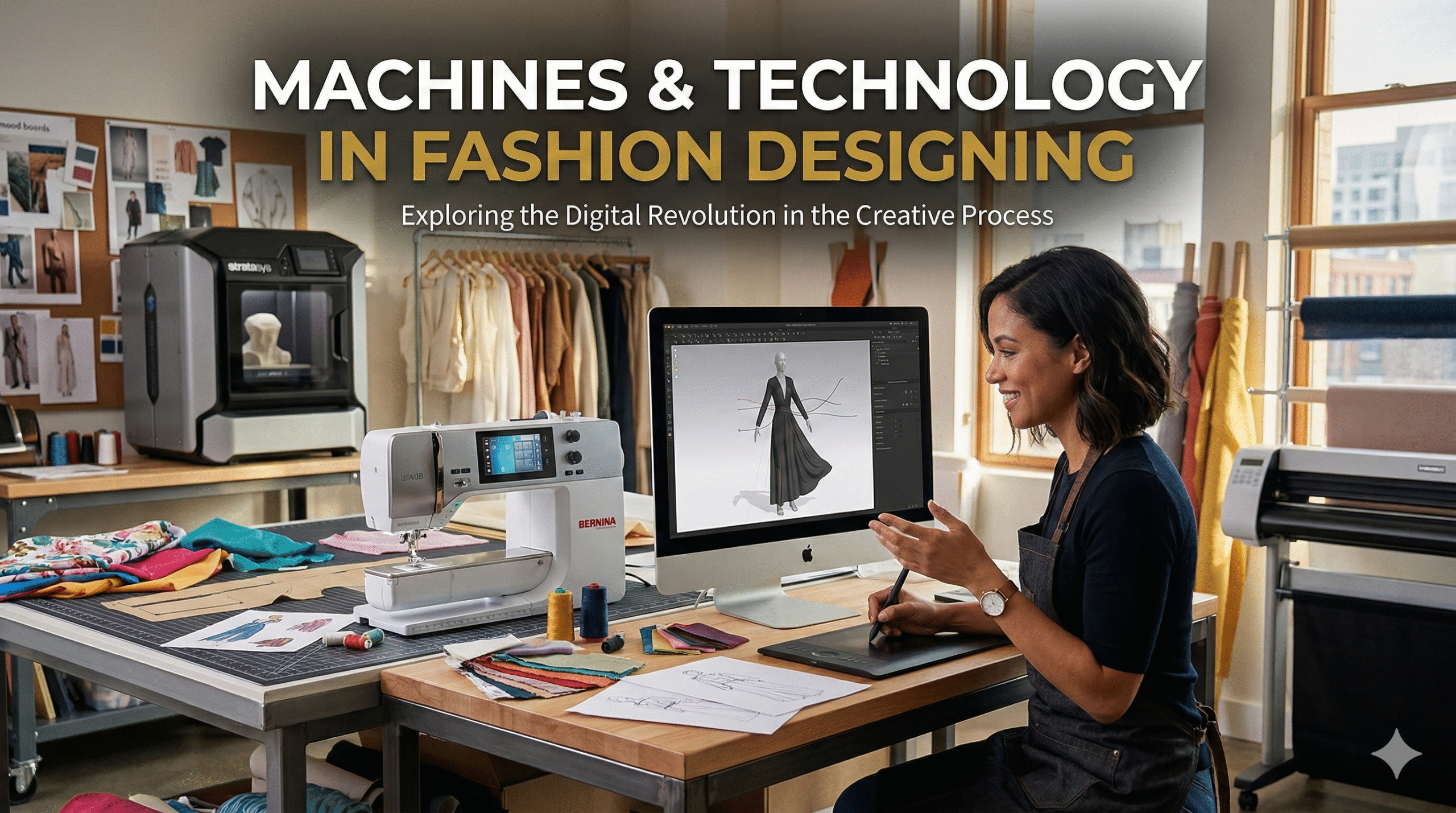
Online payments and delivery systems make shopping simple. Brands track customer preferences through data.
These tools help designers work faster and smarter.
Focus on Sustainability
In recent years, people have become more aware of environmental issues. Customers ask questions about fabric sourcing and labor practices.
Many Indian brands now promote handloom fabrics and small-scale production. Some focus on natural dyes and recycled materials.
This shift connects modern fashion with traditional methods once again.
Challenges Still Exist
Even with growth, the industry faces challenges. Fast fashion creates price pressure. Small brands struggle with funding. Artisans sometimes face irregular income.
Success requires creativity, planning, and patience.
Looking Ahead
India’s fashion design industry continues to grow. A young population, rising incomes, and global exposure create strong demand. Indian designers are gaining international attention.
The future will depend on balance. Designers must combine tradition with innovation. They must use technology wisely. They must understand both style and business.
From local tailoring shops to global fashion weeks, India’s journey has been impressive. And the story is still unfolding.